
Current Life-Cycle Structure of an Iphone
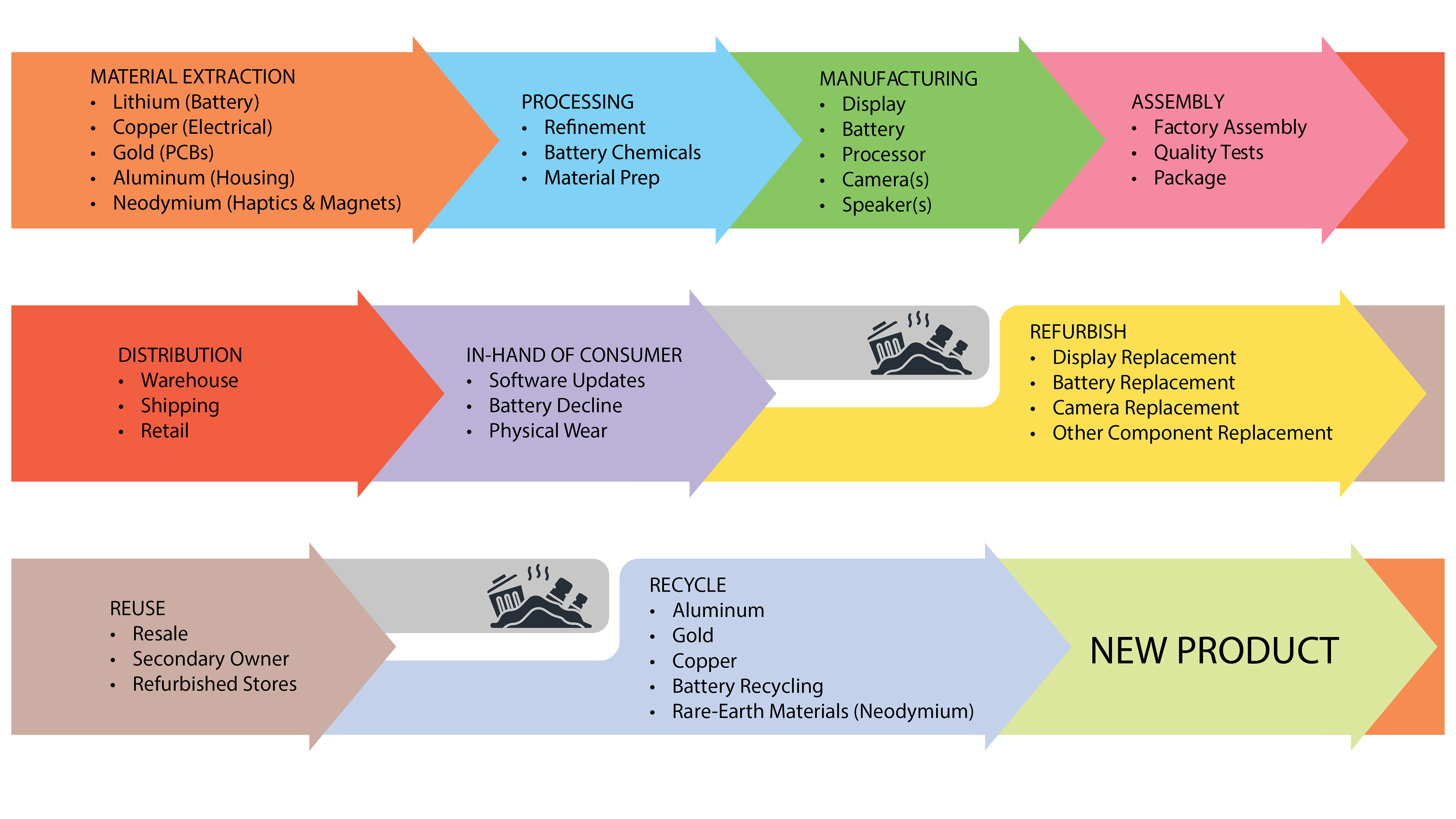
ENVIRONMENTAL FOOTPRINT, HUMAN IMPACT, AND SAFETY FACTORS
ENVIRONMENTAL FOOTPRINT
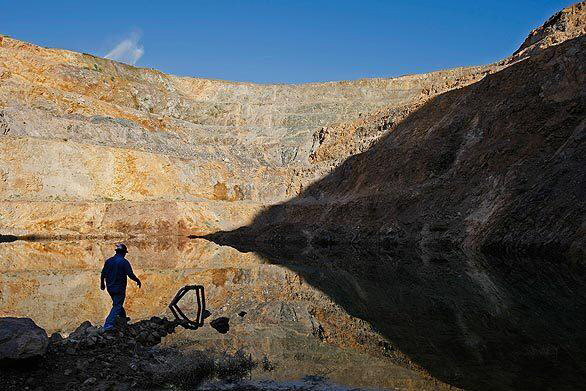
• Mining for materials like lithium, gold, and rare earth elements harms ecosystems/environments
• Manufacturing processes often require great amounts of energy
• Carbon emissions are caused by transportation
• Waste of electronics increases due to the iPhones being replaced frequently
HUMAN IMPACT
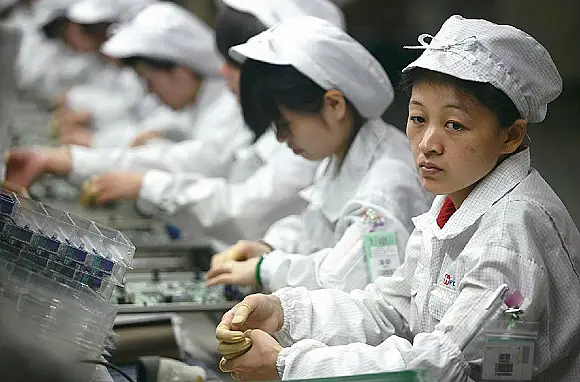
• Miners and factory workers work in dangerous conditions
• Toxic material exposure for workers
• iPhones aid in communication and access to information
SAFETY FACTORS
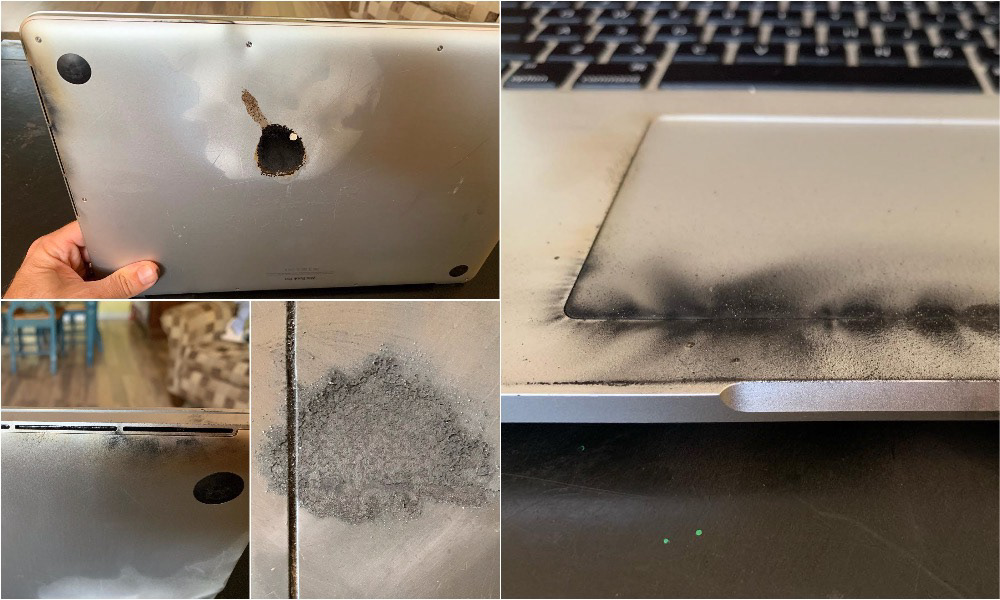
• Lithium batteries are heat-sensitive
• Machinery and chemical hazards during manufacturing
• Environmental risks with disposal
OPPORTUNITIES
• Modular components
• Neodymium & rare-earth element substitutes
• Easy-repair design
Product Redesign Concept Development
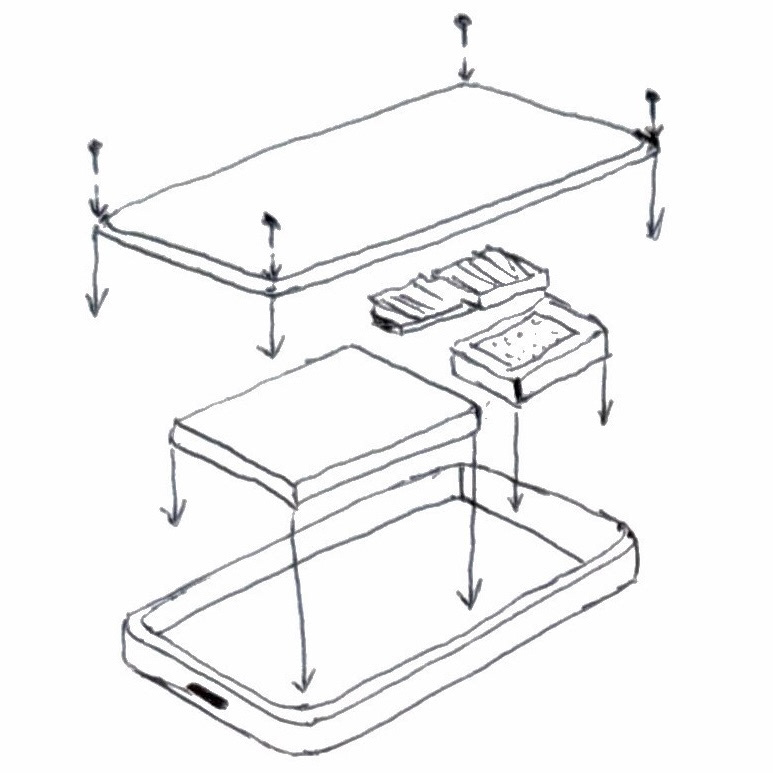
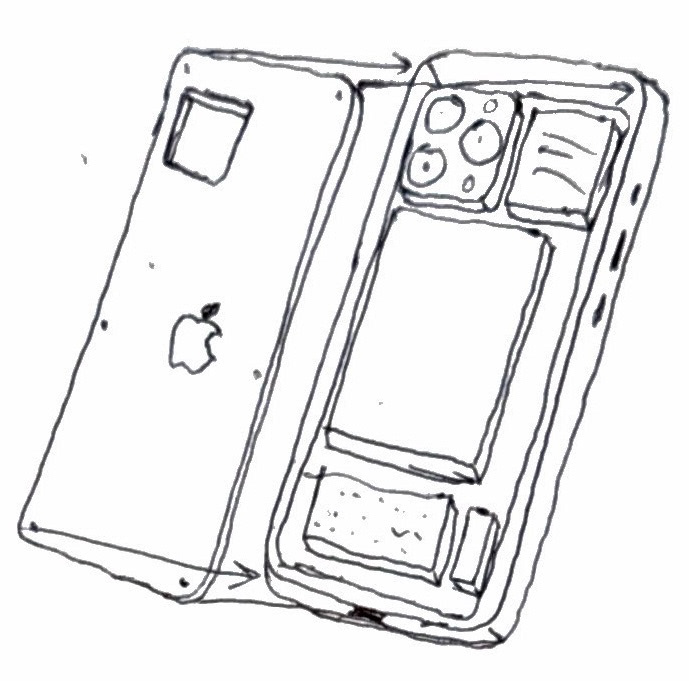
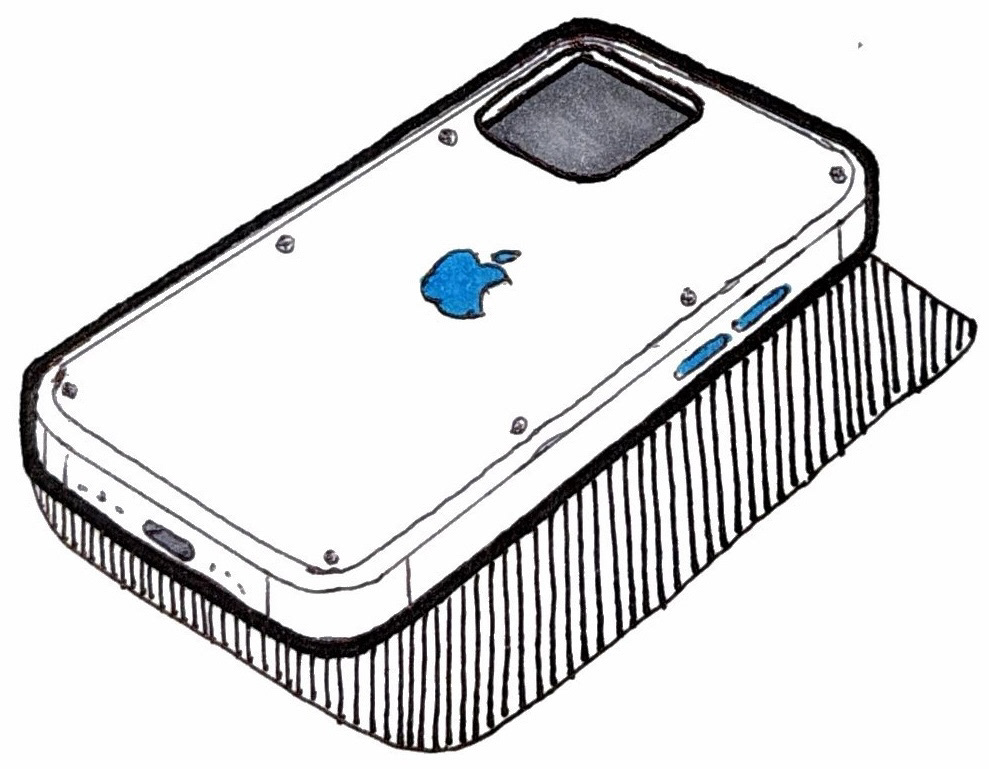
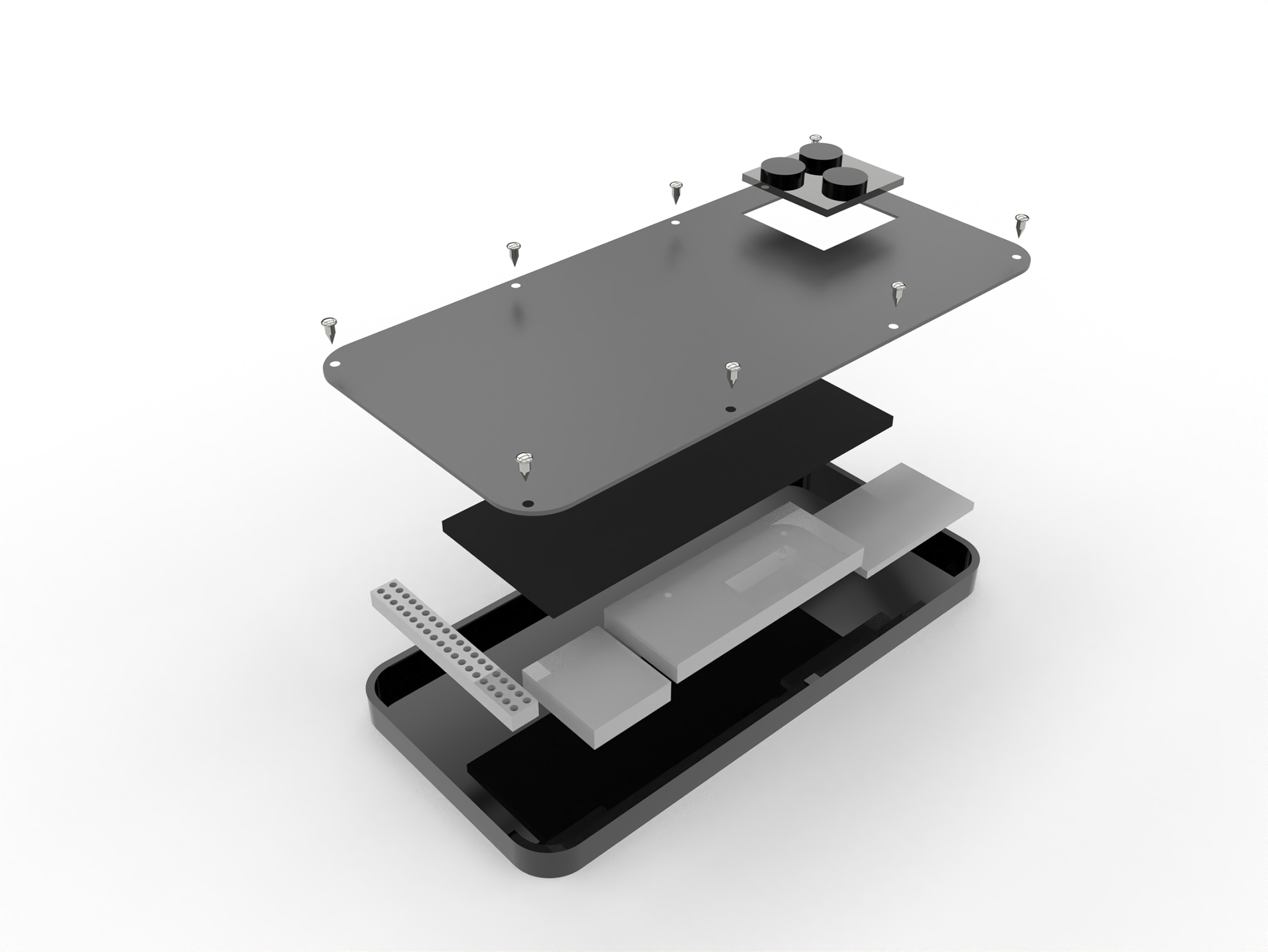
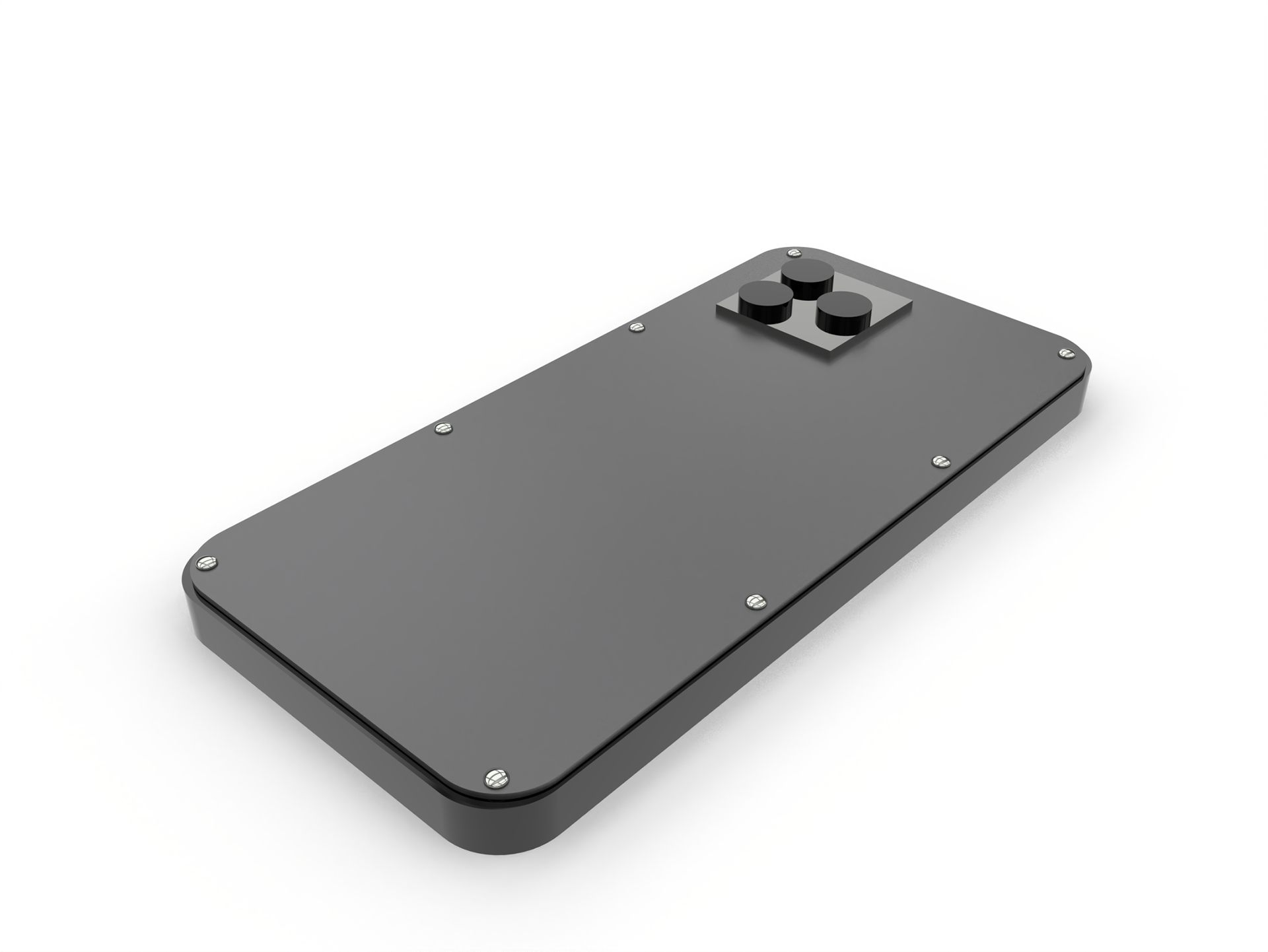
CONCEPT: Modular iPhone
PROBLEM: iPhones are a pain to repair and have short lifespans which contribute to electronic waste and loss of electronic materials
GOAL: iPhone designed with easily replaceable components to help increase the lifespan and reduce electronic waste and loss of electronic materials
FEATURES:
• Easily replaceable components
• Fastened by screws rather than adhesives
• Replaceable SoC’s (what Apple calls “the brains”) for easier phone upgrades
• Aluminum frame
Sketches
Renders
Updated Life-Cycle Diagram
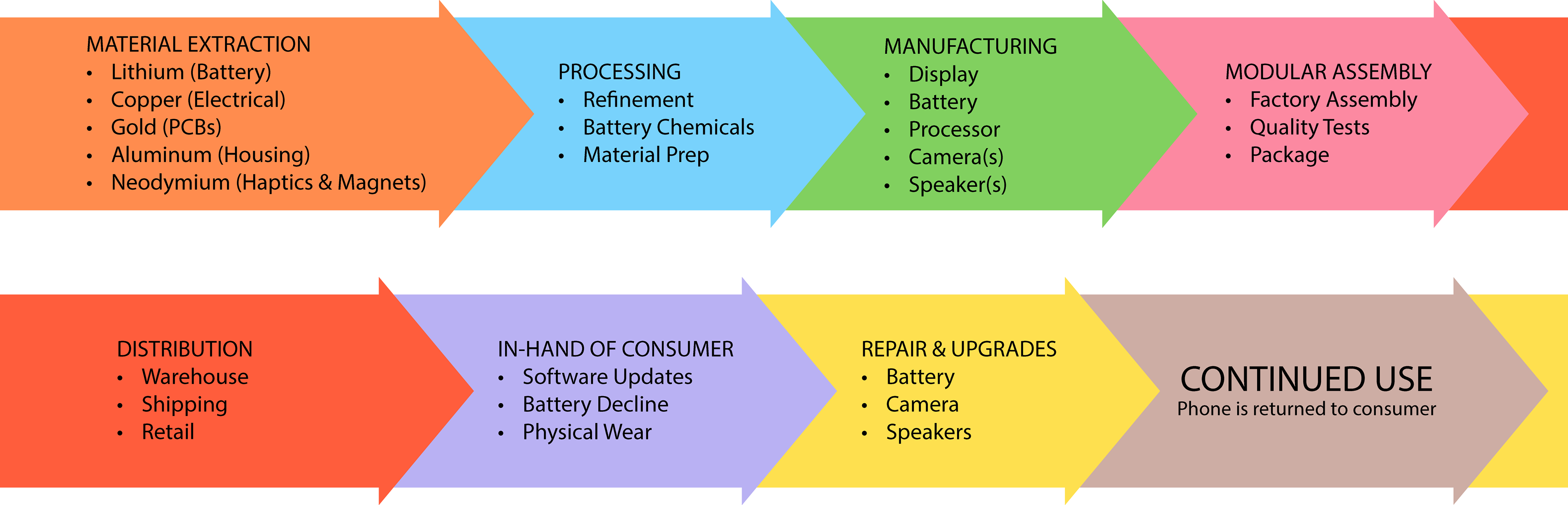
Limits Material Waste • Materials are Reused Effectively